Generative AI: The Technology Creating a New Digital World

By · September 5, 2026 · 8 min read
Artificial Intelligence has evolved far beyond simply analyzing data or making predictions. Today, AI systems can create text, images, music, videos, software code, and even interactive experiences.
This technology is known as Generative AI, and it is rapidly changing the way people create and work.
What Is Generative AI?
Generative AI refers to artificial intelligence systems that can create new content based on patterns learned from large amounts of data.
For example, a user can provide a simple instruction such as:
"Create an image of a futuristic city at night."
A generative AI model can interpret the instruction and produce an entirely new image.
The same concept can be used to generate articles, presentations, computer programs, audio, and many other forms of content.
How Does Generative AI Work?
Generative AI models are trained using huge datasets. During training, the model learns relationships and patterns within the data.
When a user provides a prompt, the model uses what it learned during training to generate a response.
A simplified process looks like this:
Prompt → AI Model → Pattern Analysis → Generated Content
Modern systems can perform these tasks within seconds, making them powerful tools for creators and businesses.
Where Is Generative AI Being Used?
Generative AI is already being used in many industries.
Software Development
AI coding assistants can help developers write code, explain errors, generate tests, and create documentation.
Content Creation
Writers and marketers can use AI to brainstorm ideas, create drafts, summarize information, and develop social-media content.
Design
Designers can generate concepts, illustrations, product ideas, and visual prototypes much faster.
Education
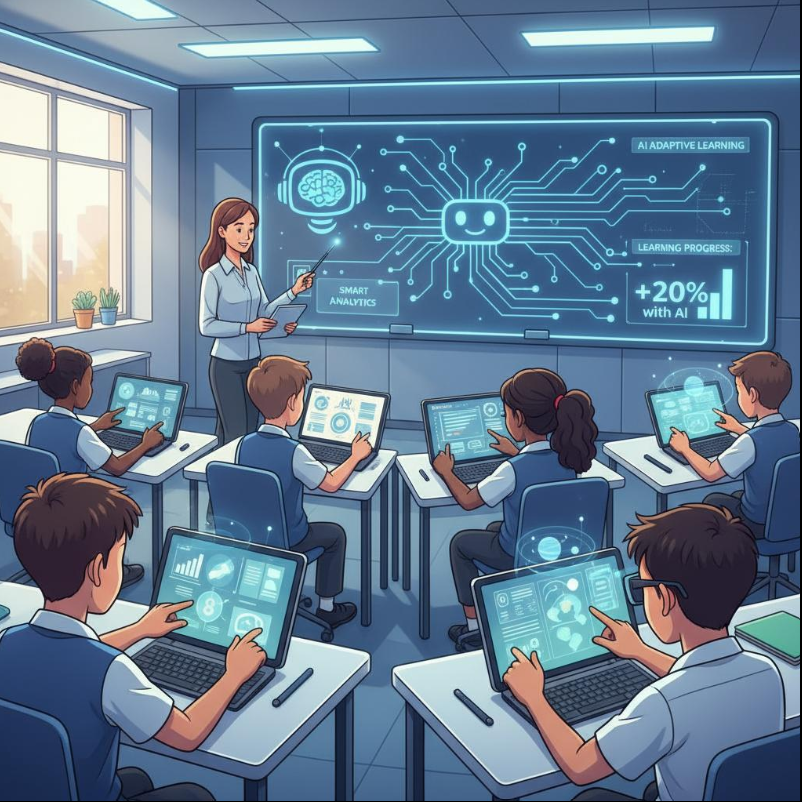
AI tutors can explain difficult concepts, generate practice questions, and adapt explanations to different learning levels.
Business
Companies can use generative AI for customer support, document processing, research, and internal productivity.
The Benefits of Generative AI
One of the biggest advantages of generative AI is speed.
Tasks that previously required hours of manual work can sometimes be completed in minutes. AI can also help people explore more ideas by quickly generating multiple possibilities.
However, AI works best as a tool that assists humans rather than completely replacing human judgment.
Challenges and Limitations
Despite its capabilities, generative AI has limitations.
AI-generated information can sometimes be incorrect or misleading. Models may also reproduce biases present in their training data.
Other concerns include:
Data privacy
Copyright and ownership
AI-generated misinformation
Security risks
Overdependence on automated systems
Because of these challenges, responsible use of AI is extremely important.
What Does the Future Hold?
Generative AI is likely to become increasingly integrated into everyday software. Instead of interacting with applications only through menus and buttons, people may increasingly communicate with software using natural language.
Imagine describing an entire website, presentation, application, or marketing campaign and having an AI system create a working first version automatically.
That future is already beginning to take shape.
Conclusion
Generative AI represents a major shift in how humans interact with computers. Instead of simply following predefined instructions, computers can now understand natural-language requests and create new content.
The technology is still evolving, but its potential is enormous.
The future of AI isn't just about machines that think—it is about machines that can help us create.
Discussion & Comments
0 Comments